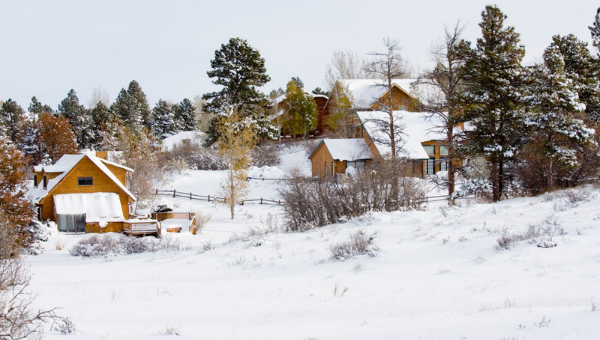
Should You Buy a Home in Winter? Spoiler: It Might Be Your Best Move
Every year, as the temperatures drop and the holidays roll in, a lot of would-be buyers in Colorado do the same thing: they pause. They tell themselves they'll pick up the search again in spring, when more homes hit the market, when the timing feels right, when things settle down.
Here's what they don't realize: spring is exactly when buying a home gets harder.
The conventional wisdom that spring is the best time to buy a house made sense in a different market. Today, it mostly means more competition, more bidding wars, more offers that fall through — and more stress. Winter, on the other hand, tends to reward the buyers who show up.
If you've been putting off your home search until the new year or waiting for a magical "right moment," this post is for you. Let's talk about what actually happens to the Colorado real estate market in winter, and why it might be the smartest window you have.
The Market Slows Down — And That Works in Your Favor
There's a reason fewer homes sell in November, December, and January: fewer people are actively looking. Life gets busy with the holidays, families are settled into school routines, and the idea of moving in cold weather doesn't exactly inspire action.
But here's the thing — that slowdown is your advantage.
According to data from the Colorado Association of REALTORS, the statewide market is already shifting toward buyers heading into late 2026. Closed sales are down year-over-year, average days on market have risen to 65 days statewide, and one Denver-area broker put it plainly: "Buyers are in control right now."
That dynamic only deepens as winter sets in. When buyer demand drops, the negotiating power shifts. Sellers who have been waiting for the right offer become more flexible. Homes that sat through a slow fall often come with motivated owners who are ready to make a deal.
You'll Face Less Competition (And That Changes Everything)
In the spring market, homes in desirable Colorado neighborhoods can receive multiple offers within 48 to 72 hours of listing. Buyers often need to come in 3–5% above asking price just to be competitive, waive contingencies, or write personal letters to stand out in a crowd.
Winter looks different. New listings in May and June run 30–40% above January's levels, per Realtor.com — which means spring buyers are competing in a much more crowded field. When you buy in winter, you're one of far fewer buyers looking at any given property. That changes the entire dynamic of how you negotiate.
Instead of scrambling to put together an offer overnight, you have time to think. You can ask for an inspection without worrying it'll cost you the deal. You can negotiate closing costs or request repairs. You can move at a pace that lets you actually make a clear-headed decision — which is how a purchase this significant should work.
Sellers in Winter Are Often More Motivated
Sellers don't list their homes in November or December on a whim. The people who have their homes on the market during winter tend to have real reasons for selling — a job relocation, a life change, a financial situation that makes waiting until spring not an option. That motivation is something you can work with.
Nationally, the share of listings with price cuts is highest in December and remains elevated through January and February, according to Opendoor market data. In Colorado specifically, more than half of El Paso County listings had price reductions as of late summer 2026 — and that trend typically continues into winter as sellers adjust to buyer expectations.
What this means in practice: winter sellers are often more willing to cover closing costs, offer a rate buydown to help you manage monthly payments, agree to repairs that a spring seller might dismiss outright, or accept a lower price to get the deal done.
That flexibility has real dollar value. On a $500,000 home, a seller paying 2% of closing costs saves you $10,000 out of pocket at the table. Concessions like that are far more common in winter than when the market is running hot.
Home Prices Tend to Be Lower in Winter
The data backs this up. Median list prices follow a predictable seasonal pattern — they index around 96–97 in December through February compared to 103–104 in May and June, according to Opendoor's analysis of national market data. That's roughly a 6–8% swing from winter trough to spring peak.
In Colorado's current market, where the statewide median sale price sits around $550,000, that seasonal difference could translate to meaningful savings. Even a modest 3% discount on a $550,000 home is $16,500 — which could cover your closing costs, fund a rate buydown, or simply stay in your pocket.
Now, prices aren't the only factor — the right home at the right price beats a cheap home that doesn't fit your life. But if you're choosing between buying a home that checks your boxes in winter at a negotiated price versus chasing it in a spring bidding war, the math often favors moving sooner.
The Process Tends to Move Faster
This one surprises a lot of buyers: winter closings often happen faster than spring ones.
When lenders, title companies, and inspectors are slammed with spring volume, timelines stretch. It's not unusual for June closings to take six weeks or more. In winter, those same professionals have more availability — which means fewer scheduling delays, faster turnarounds on appraisals, and smoother closings that can wrap up in about four weeks.
If you're renting month-to-month, trying to time a move around a job start date, or just ready to stop waiting — a faster process is a real benefit.
What About Colorado Specifically?
Colorado's market has some unique characteristics worth understanding as you plan a winter purchase.
The Front Range
Along the I-25 corridor — Denver, Colorado Springs, Fort Collins, Boulder — the market is already tilting toward buyers heading into late 2026. Inventory has risen in many areas, days on market are up, and sellers are increasingly offering concessions to move properties. Winter will likely extend these buyer-friendly conditions. If you've been watching a neighborhood and waiting for the right moment, that moment may be now.
Mountain and Resort Communities
Places like Estes Park, Summit County, and Telluride operate differently. High-end resort markets (Summit County single-family sales actually rose 18.4% year-over-year in 2026) can be active year-round, driven by vacation property buyers who aren't tied to school calendars or seasonal psychology. In resort towns, winter inventory tends to be thinner — which can cut both ways. Fewer options, but also fewer competing buyers.
Condos and Townhomes
The attached home market has faced more headwinds in 2026, with longer days on market and softer prices — especially in the condo sector, where high HOA fees have dampened demand. This creates particular opportunity for buyers open to condo or townhome living. With sellers eager to move product and prices having come down in some areas, winter could be an excellent window to find value in this segment.
A Few Real Things to Keep in Mind
Winter buying isn't without its considerations. A few things worth knowing:
• Less inventory is real. You may not find as many homes to choose from, especially in hot neighborhoods. The flip side: the homes that are listed tend to come from motivated sellers.
• Snow can hide things. Winter inspections are important — but they can't always reveal issues that show up in warmer months, like drainage problems, how AC systems perform, or how a deck holds up in heavy rain. Plan to revisit some things come spring if you close in winter.
• Moving in cold weather has logistics. Scheduling movers, getting utilities set up, and handling the physical move is harder in December than in October. Plan ahead and give yourself buffer.
• The "right home" always wins. If you're not finding what you need, don't force a winter purchase just to capture the market conditions. The best time to buy is when the right home at the right price is available — and winter simply increases the odds of a favorable deal when you find it.
So — Should You Buy a Home This Winter?
If you're financially ready, pre-approved, and clear on what you're looking for, yes. The Colorado market heading into winter 2026 offers a combination of motivated sellers, reduced competition, increasing concessions, and favorable pricing dynamics that you won't find when buyers flood back in February and March.
The buyers who wait for spring thinking conditions will improve often find the opposite: they end up in bidding wars, paying above asking, and waiving contingencies they wish they hadn't.
The buyers who show up in winter? They tend to negotiate better deals, close with less stress, and move into their homes before the spring rush even begins.
Ready to Find Out What's Available Right Now?
At Shift Real Estate, we work with buyers across Colorado's Front Range and mountain communities year-round — and we know how to find the right opportunities in any season. If you're thinking about buying this winter, let's talk about what the market looks like in your target area and what a realistic path to ownership looks like for you.
Reach out to Shift Real Estate today. The right home might already be waiting.
Sources: Colorado Association of REALTORS Market Report (August 2026) via ColoradoBiz — coloradobiz.com; Opendoor "Best Time of Year to Buy a House" — opendoor.com; Realtor.com seasonal listing data via Opendoor analysis; Keeping Current Matters, "3 Reasons to Buy a Home Before Spring" (January 2025) — keepingcurrentmatters.com.
Shift Real Estate Listings

© 2026 Shift Real Estate
DMCA Notice | Terms & Services | Privacy Policy | Accessibility Statement
EQUAL HOUSING OPPORTUNITY


Shift Real Estate
PO Box 2015, Castle Rock, CO 80104
Mobile: 303-587-0312
diane@shift.realestate